Planting A Garden

To get the most out of planting a garden, it is important to prepare ahead of time. Preferably during the off season.
There are many types of gardens and that is the first task at hand.
Decide up front what type of garden you would like to create.
For example: Aquaponics Systems is a NEW "evolutionary concept" of gardening that is sweeping the nation. It takes very little space and almost no work involved for a bountiful supply of vegetables.
Choosing a good location is more important than good soil You can always improve poor soil, but it is nearly impossible to improve a bad location.
Try to choose a location that is away from large trees which can shade out the sunlight and be in direct competition with your vegetable for moisture and nutrients because of the trees roots.
Click Here!
 |
Flower garden ideas and Organic vegetable garden ideas every homesteader should know. For example, the roots of black walnut trees exude a chemical that inhibits the growth of tomatoes.
Do not locate your garden plot in a low area where water stands and the cold air will collect.
Your garden should have shelter from wind and have plenty of sunlight.
Your garden should be close to a source of water since there will be times irragation is necessary.
The benefits you receive when planting a garden is a self rewarding feeling all of its own. Fresh garden vegetable straight out of your garden. It's wonderful!
They are far tastier than the often days old produce found on the shelves of food stores, and more nutritious too.
And there will be impressive savings in your food dollar; experts say that for each $20 worth of supplies and labor invested, a return of more than $200 can be reaped.
But beyond such practical considerations are additional benefits: the pleasure of working with the soil, of watching seeds sprout and grow, and of knowing that the food on your table is a product of your own labor.
It is these reasons, perhaps more than mere economics, that account for the recent rise in family gardens.
Garden Favorites. provides a list of the most commonly harvested vegetables. When to plant, depth and number of days till harvest.
For most people today, planting a garden is becoming more popular.
The garden still has an important role to play not only in economic terms but also in a well earned sense of independence and satisfaction.
And a closer relationship with nature that working with the soil and its produce affords to us.
It's fun and also helps feed the family.
You and your family will be amazed at how easy it is to grow fresh vegetables with using rocks and nutrient water.
Your children will be astonished watching the plant roots grow and the plant too.
It's a great learning experience.
HAPPY FARMING!
Use these Natural Organic Tips to rid your garden of those unwanted pest.
Go to Garden Favorites from Planting a Garden
These are Heirloom seeds which means you can save seeds and plant for next year. A good money saver!


Homesteaders Most Valued Hardcover Resource


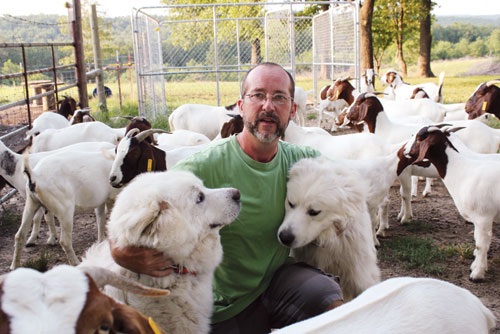
I've Been A Goat Farmer For Over Twenty years and can help you be successful too!