Renewable Energy
Methods for Creating Renewable Energy:
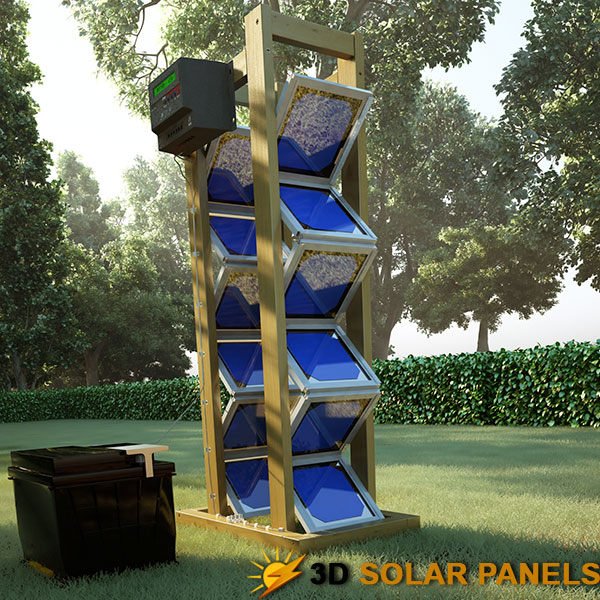 | Are you ready to generate power and reduce your bills? This is the perfect resource for you! With the ever increasing costs of living, there is no better time than right now to stop throwing money out the window and start generating your own electricity. |
Solar diagrams and illustrations showing how every component works together.
Join the rest of us Solar Guru's to receive our latest free materials.
Subject: Don't buy solar panels before seeing THIS
The '20k solar panel system' is coming to an end.
Wall street confirms all share holders are selling hard after this weird cheap solution popped on the radar...
And they have every reason to...
Over 18,000 Patriots are using the system in their homes... (and that's just in the last three months)
They get unlimited energy for less than 80 cents a day... Without paying one nickel more to their electricity provider!
If you’re skeptical...
Just watch this short video
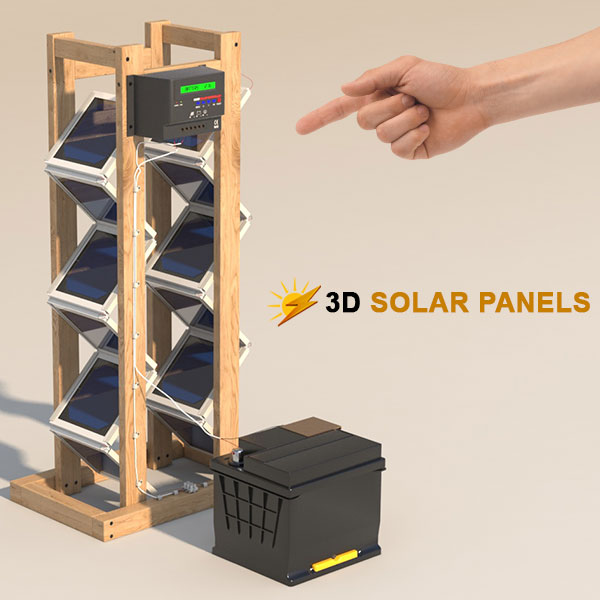
Click Here!
and you’ll be able to cut your power bills to almost ZERO in just 45 minutes!
Best,
Brian
Wood Burning Stoves , can cut your yearly energy fuel bill from hundreds and thousands of dollars to practically nothing. healthy exercise, comforting warmth, and the homey pleasure of a wood fire can't be beat!
In addition, wood is widely obtainable and inexpensively aggressive then with fossil fuels.
If you gather your own firewood, the savings can be tremendous.
Other Methods of Renewable Energy
Waterwheel energy was used to free human beings from heavy labor and is almost as old as the use of draft horses.
The earliest applications of such waterwheels were to hoist water from wells and to turn millstones to crush grain.
Waterwheels were later modified to supply power for other processes to which a sluggish, heavy, unceasing rotating action was suited.
In early America, fabric factories and sawmills were usually built on riverbanks to take advantage of water power.
With the beginning of steam power in the 19th century, the huge, wooden waterwheel became outdated, and water did not again compete as a power resource until the discovery of the high speed turbine to generate electricity.
This progress not only led to enormous hydroelectric installations but also made small, personal renewable energy hydropower installations possible also.
If you are interested in Solar energy, the amount of southern contact and insulation excellence are what count.
Renewable Energy recommends house designs to be easy, simple rectangles, extended east to west for southern exposure, with small windows on the north and large ones on the south.
Winter functioning of underground buildings is amazing. Passive or active is a matter of choice, but if the fundamentals are not right, you might as well give up.
There's been an enormous interest in
wind plants in renewable energy and all across the nation in the last several years. Despite the interest, I should say that wind plants are not for everybody.
First of all, you have to climb a 50 ft. tower to grease the equipment.
And to use a wind plant effectively, you really have to know how the whole thing operates, how to check the machinery and the batteries to see if everything is in good shape.
Then, remember, a wind plant produces direct current.
That's all right for light bulbs, but for most electronic equipment you have to use an inverter to change that direct current to alternating current.
Return to Self Sufficient Farm Living from Renewable EnergyThese are Heirloom seeds which means you can save seeds and plant for next year. A good money saver!


Homesteaders Most Valued Hardcover Resource


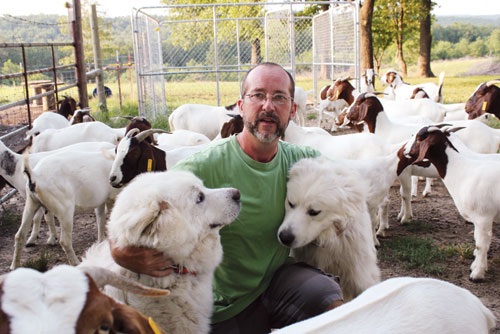
I've Been A Goat Farmer For Over Twenty years and can help you be successful too!